After Yaakov Avinu fled Lavan's house, Lavan chased after Yaakov. When the two met up, Lavan says to Yaakov that had Yaakov informed him that he was leaving then Lavan would have made a going away procession complete with joy, song, drum, and lyre! (See Bereishis 31:27) I find it very interesting that Lavan specified drum and lyre as the instruments of choice.
The way the cosmos is described in classical rabbinic literature is to have Earth in the center and several concentric spheres around it. Each sphere contains a planet, stars, or other celestial object. There are a total of nine spheres and going from ninth to first they are: the sphere that rotates the inner spheres, the fixed (regular) stars, Saturn, Jupiter, Mars, Sun, Venus, Mercury, and the Moon. Rabbeinu Bacheye teaches that people are able to express the celestial concept of each sphere through various musical instruments. These are expressed in the order from outer sphere to inner sphere in Tehillim 150. (Rabbeinu Bacheye Shemos 32:19)
As such, the instruments Lavan specified correspond to Jupiter (drum) and Saturn (lyre). It is of note that these correspond to the last objects of the solar system prior to entering the sphere of the regular stars. The regular stars are divided into constellations and the primary ones are the twelve constellations of the zodiac. Numerous statements of Chazal compare these twelve constellations to the twelve shevatim. (See Bamidbar Rabbah 13, for example). Although only eleven of these twelve were born at the time Yaakov fled Lavan's house, perhaps, Lavan was saying that had he known Yaakov was going to leave because the shevatim were almost complete then he would have sent him off appropriately. How better to display this send off than by showing that Yaakov was on the cusp of having the twelve shevatim! By celebrating with the last two objects of the solar system, Lavan would be showing how Yaakov was on the cusp of transcending this realm and completing the shevatim who correspond to the next sphere, the eighth.
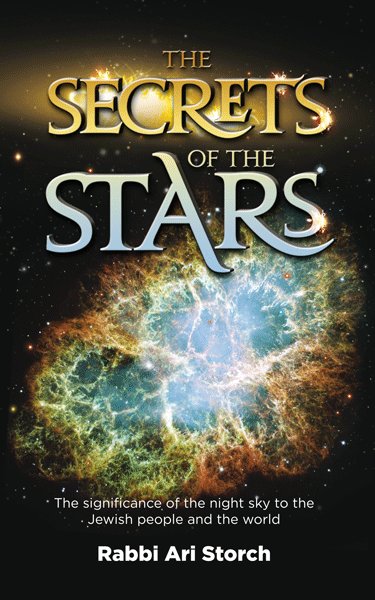
There are several chapters in my upcoming book from Israel Book Shop, The Secrets of the Stars that focus on the correlation between the shevatim and the zodiac. Keep your eyes open because it should be in stores in about a week and a half.
Tuesday, November 29, 2011
Monday, November 28, 2011
Yaakov's Lesson on Zemanei HaYom
Chazal teach that Yaakov actually traveled all the way to Haran and then decided to turn around. Upon reaching Haran he was remorseful that he had passed through Yerushalayim, the place where his forefathers had prayed, and that he had neglected to pray there. Therefore, he decided to turn around and head back. Hashem provided a miracle and Yaakov instantaneously arrived in Yerushalayim. After praying Yaakov was ready to begin traveling back to Haran, but Hashem wanted him to spend the night, so sunset occurred prior to its natural time and Yaakov had to stay the night. (Chullin 91b)
Elsewhere, the Gemara derives from this incident that Yaakov instituted Maariv. (Berachos 26b) Tosefos mention that it is clear from the storyline presented in Chullin that Yaakov davened Maariv prior to sunset. This, say Tosefos, supports the custom to daven prior to sunset and assume the halacha is like Rebbi Yehuda who maintains that one may daven Mincha until Plag HaMincha and Maariv from that point on; and not like the Rabbanan who maintain that one may daven Mincha until nightfall and Maariv from that point on. (Tosefos Berachos 26b) Tosefos do not show how the Rabbanan resolve this issue and that is something of note since in contemporary times we do not paskin with certainty like Rebbi Yehuda. (See Shulchan Aruch O.C. 233 and 235)
I would like to present the following theory to answer how the Rabbanan may read this passage, although I certainly would love to hear if anyone has a better answer. It is fairly clear from the Gemara that if one is traveling from point A to point B, but that he intends to return to point A on the same day, that he follows the Zemanim of point A. The case the Gemara discusses is if a tamei Kohen is on the top of Mt. Carmel and the sun is at eye level, he may descend the mountain to the sea, go to the mikvah and ascend the mountain. He will have been able to have gone to the mikveh prior to sunset and when he reaches the top it will be after twilight. Thus, this Kohain will now be pure and can eat Terumah. (Shabbos 35a; also see Rashba Shabbos 35a) Since the sun was at eye level when he began his descent, that means for people at the base of the mountain it was setting on the horizon. His immersion will be after sunset for those at the base, but prior to sunset for those above the mountain. The only way that this man can be considered to have immersed prior to sunset is if we give him the status of those on the top of the mountain even though he is currently at the base. It seems that this is due to the fact that he is on a quick round trip.
Similarly, Yaakov had reached his destination of Haran. However, he now wanted to make a round trip to Yerushalayim and back. Thus, he would have the status of one from Haran. Haran is assumed to be fairly close to the modern town of Harran and is almost exactly 4 degrees east of Yerushalayim. Although it is also approximately 5 degrees north, since Yaakov's event happened around the vernal equinox, this will not play much of a role in the following calculations. (See Rashi Bereishis 27:9)
The sun travels every degree of our planet in 4 minutes. That means that the sun will set 16 minutes in Haran prior to its setting in Yerushalayim. So, perhaps, Yaakov arrived miraculously in Yerushalayim and decided to pray at the first moment that he could have said Maariv, but based on the Zemanim of Haran and not those of Yerushalayim. It is reasonable that Yaakov would want to daven at the first possible moment since we know the Avos possessed this characteristic of Zerizus, and because it is appropriate to do so. (See Shulchan Aruch O.C. 235) After davening, Yaakov turned to go back to Haran, but Hashem made the sun finish its descent quickly. It was 16 minutes prior to sunset when Yaakov started davening, so there were only a few minutes that it need to shave off the day anyway.
I must note, that I am not taking into account the need to wait until Tzeis HaKochavim for Maariv and the need to stop Mincha prior to sunset, because that only arises from our lack of ability to define that time period. We know the Avos possessed far better knowledge of astronomy and its halachic application, so Yaakov would not have had any pause between the two and would, perhaps, know the exact moment of nightfall. (See Yoma 28b) Bein Hashmashos is approximately the same interval length in both Haran and Yerushalayim at around the equinox.
REMEBER, IN ABOUT TWO WEEKS THE SECRETS OF THE STARS WILL BE IN BOOKSTORES!!! KEEP YOUR EYES OPEN FOR IT!!!
Elsewhere, the Gemara derives from this incident that Yaakov instituted Maariv. (Berachos 26b) Tosefos mention that it is clear from the storyline presented in Chullin that Yaakov davened Maariv prior to sunset. This, say Tosefos, supports the custom to daven prior to sunset and assume the halacha is like Rebbi Yehuda who maintains that one may daven Mincha until Plag HaMincha and Maariv from that point on; and not like the Rabbanan who maintain that one may daven Mincha until nightfall and Maariv from that point on. (Tosefos Berachos 26b) Tosefos do not show how the Rabbanan resolve this issue and that is something of note since in contemporary times we do not paskin with certainty like Rebbi Yehuda. (See Shulchan Aruch O.C. 233 and 235)
I would like to present the following theory to answer how the Rabbanan may read this passage, although I certainly would love to hear if anyone has a better answer. It is fairly clear from the Gemara that if one is traveling from point A to point B, but that he intends to return to point A on the same day, that he follows the Zemanim of point A. The case the Gemara discusses is if a tamei Kohen is on the top of Mt. Carmel and the sun is at eye level, he may descend the mountain to the sea, go to the mikvah and ascend the mountain. He will have been able to have gone to the mikveh prior to sunset and when he reaches the top it will be after twilight. Thus, this Kohain will now be pure and can eat Terumah. (Shabbos 35a; also see Rashba Shabbos 35a) Since the sun was at eye level when he began his descent, that means for people at the base of the mountain it was setting on the horizon. His immersion will be after sunset for those at the base, but prior to sunset for those above the mountain. The only way that this man can be considered to have immersed prior to sunset is if we give him the status of those on the top of the mountain even though he is currently at the base. It seems that this is due to the fact that he is on a quick round trip.
Similarly, Yaakov had reached his destination of Haran. However, he now wanted to make a round trip to Yerushalayim and back. Thus, he would have the status of one from Haran. Haran is assumed to be fairly close to the modern town of Harran and is almost exactly 4 degrees east of Yerushalayim. Although it is also approximately 5 degrees north, since Yaakov's event happened around the vernal equinox, this will not play much of a role in the following calculations. (See Rashi Bereishis 27:9)
The sun travels every degree of our planet in 4 minutes. That means that the sun will set 16 minutes in Haran prior to its setting in Yerushalayim. So, perhaps, Yaakov arrived miraculously in Yerushalayim and decided to pray at the first moment that he could have said Maariv, but based on the Zemanim of Haran and not those of Yerushalayim. It is reasonable that Yaakov would want to daven at the first possible moment since we know the Avos possessed this characteristic of Zerizus, and because it is appropriate to do so. (See Shulchan Aruch O.C. 235) After davening, Yaakov turned to go back to Haran, but Hashem made the sun finish its descent quickly. It was 16 minutes prior to sunset when Yaakov started davening, so there were only a few minutes that it need to shave off the day anyway.
I must note, that I am not taking into account the need to wait until Tzeis HaKochavim for Maariv and the need to stop Mincha prior to sunset, because that only arises from our lack of ability to define that time period. We know the Avos possessed far better knowledge of astronomy and its halachic application, so Yaakov would not have had any pause between the two and would, perhaps, know the exact moment of nightfall. (See Yoma 28b) Bein Hashmashos is approximately the same interval length in both Haran and Yerushalayim at around the equinox.
REMEBER, IN ABOUT TWO WEEKS THE SECRETS OF THE STARS WILL BE IN BOOKSTORES!!! KEEP YOUR EYES OPEN FOR IT!!!
Thursday, November 24, 2011
Sweet Fifteen
Rabbeinu Bacheye does an interesting calculation to show us exactly how old Yaakov and Eisav were at the time that Yaakov purchased the bechorah from Eisav. Avraham was 100 years old when Yitchak was born and 140 when Yitzchak married (Yitzchak was 40 when he married Rivkah). Yitzchak and Rivka were unable to have children for 20 years which brings the total to 160. Since we are taught that the day of the sale was the day of Avraham's passing, we can figure out exaclty how old Yaakov and Eisav were. Avraham lived a total of 175 years, this means that at the time of this sale Yaakov and Eisav were 15. Rabbeinu Bacheye points out that they had to be at least 13 from the fact that they are referred to as men in this segment and prior to 13 they would only be referred to as boys. (Rabbeinu Bacheye 25:27)
It is interesting to point out that this world is considered to have been created with the letter heh and the next world with a yud. (Menachos 29b) Heh is the fifth letter and yud is the tenth. Together they equal fifteen. There are countless drashos that focus on Eisav wanting this world and disregarding, even degrading, the World to Come. It is interesting to see that the age of the participants in this exchange express the idea of this world and its interaction with the next.
As an aside, this segment of the Torah seems to display that Avraham was not born on Pesach. Rebbi Yehoshua maintains that Avraham and Yaakov were born in Nissan. While many might naturally assume that this would have been on Pesach, from the sugyah itself it seems that is not the case and the parsha reinforces that. The sugyah maintains that Yitzchak was born on Pesach, the fact that Avraham and Yaakov's births are only described as in Nissan implies that they were not on Pesach. A close look at Rashi seems to also make this seem to be the case. The parsha reinforces it, though. If this sale happened on the day Avraham died then we can assume it was also his birth. This concept is taken for granted in this exact sugyah. If so, Yaakov made bread for Eisav, so presumably it was not Pesach. (It is possible it was matzoh, but it does not seem like it.) (See Rosh Hashana 11a; for more on why Yaakov gave Eisav bread see my Tiferes Aryeh Shas Inyan Mechiras Habechorah)
REMEMBER, THE SECRETS OF THE STARS SHOULD BE IN BOOKSTORES IN ABOT TWO AND A HALF WEEKS!!!!
It is interesting to point out that this world is considered to have been created with the letter heh and the next world with a yud. (Menachos 29b) Heh is the fifth letter and yud is the tenth. Together they equal fifteen. There are countless drashos that focus on Eisav wanting this world and disregarding, even degrading, the World to Come. It is interesting to see that the age of the participants in this exchange express the idea of this world and its interaction with the next.
As an aside, this segment of the Torah seems to display that Avraham was not born on Pesach. Rebbi Yehoshua maintains that Avraham and Yaakov were born in Nissan. While many might naturally assume that this would have been on Pesach, from the sugyah itself it seems that is not the case and the parsha reinforces that. The sugyah maintains that Yitzchak was born on Pesach, the fact that Avraham and Yaakov's births are only described as in Nissan implies that they were not on Pesach. A close look at Rashi seems to also make this seem to be the case. The parsha reinforces it, though. If this sale happened on the day Avraham died then we can assume it was also his birth. This concept is taken for granted in this exact sugyah. If so, Yaakov made bread for Eisav, so presumably it was not Pesach. (It is possible it was matzoh, but it does not seem like it.) (See Rosh Hashana 11a; for more on why Yaakov gave Eisav bread see my Tiferes Aryeh Shas Inyan Mechiras Habechorah)
REMEMBER, THE SECRETS OF THE STARS SHOULD BE IN BOOKSTORES IN ABOT TWO AND A HALF WEEKS!!!!
Wednesday, November 23, 2011
Fighting in Kislev
As mentioned in the last post, this Sunday is Rosh Chodesh! We will be beginning the month of Kislev. Every month has its mazal and the mazal of Kislev is Keshes, Sagittarius.
One of the first things that might catch one's attention is that the association between Keshes and Kislev seems pronounced in the imagery used to describe Keshes. Keshes is an archer and is the only one of the mazalos that depicts a warrior. Channukah is celebrated in Kislev and is the only holiday that we have that celebrates a military victory. While Purim certainly discusses salvation from murderous people, the focus there is how we were saved by Hashem using what appeared as political methods to save His nation. The association between Keshes and this time of year predates Chanukkah by many many years, so it is interesting to see that this mazal ended up with this month. Interestingly, resisting hellenism was crucial in the Channukah story. Perhaps, the appeal was that often times the Greek philosphy was so similar to Torah true concepts that it was appealing. The subtle differences, however, made the world of a difference. For some perspective on this see this earlier post,
Midrash Similar to Mythology.
Another aspect why Keshes is associated with Kislev is that the root of the word Keshes is "KSL" which also refers to Kesil, another name for Orion/Sirius. (See Torah Sheliemah Miluim Parshas Bo 177) It is during this month that this bright constellation/star rises and therefore the entire mazal is called by its name. An interesting fact is that that makes this the only month that the name of the mazal is based on a constellation other than the zodiacal one that is the mazal itself. I would love to hear if anyone has any suggestions why this is the case (other than the obvious "because Sirius is the brightest star in the sky).
I finally have more of a timeline for when The Secrets of the Stars will be available!!! It is at the printer now and in a week and a half should be at the publisher. The subsequent week it should be in bookstores! That means that it will hopefully be in stores just in time for Chanukkah! So please keep your eyes open and let's hope it will be a mazaldikke sha'a!!!
One of the first things that might catch one's attention is that the association between Keshes and Kislev seems pronounced in the imagery used to describe Keshes. Keshes is an archer and is the only one of the mazalos that depicts a warrior. Channukah is celebrated in Kislev and is the only holiday that we have that celebrates a military victory. While Purim certainly discusses salvation from murderous people, the focus there is how we were saved by Hashem using what appeared as political methods to save His nation. The association between Keshes and this time of year predates Chanukkah by many many years, so it is interesting to see that this mazal ended up with this month. Interestingly, resisting hellenism was crucial in the Channukah story. Perhaps, the appeal was that often times the Greek philosphy was so similar to Torah true concepts that it was appealing. The subtle differences, however, made the world of a difference. For some perspective on this see this earlier post,
Midrash Similar to Mythology.
Another aspect why Keshes is associated with Kislev is that the root of the word Keshes is "KSL" which also refers to Kesil, another name for Orion/Sirius. (See Torah Sheliemah Miluim Parshas Bo 177) It is during this month that this bright constellation/star rises and therefore the entire mazal is called by its name. An interesting fact is that that makes this the only month that the name of the mazal is based on a constellation other than the zodiacal one that is the mazal itself. I would love to hear if anyone has any suggestions why this is the case (other than the obvious "because Sirius is the brightest star in the sky).
I finally have more of a timeline for when The Secrets of the Stars will be available!!! It is at the printer now and in a week and a half should be at the publisher. The subsequent week it should be in bookstores! That means that it will hopefully be in stores just in time for Chanukkah! So please keep your eyes open and let's hope it will be a mazaldikke sha'a!!!
Tuesday, November 22, 2011
When is Rosh Chodesh?
Because this Sunday is Rosh Chodesh, we will not be reading the regular Haftarah. Instead we will read about the story in which Yehonasan tries to determine if his father, Shaul Hamelech, intends to kill Dovid or not. The setting for the story is at a meal that is taking place to commemorate Rosh Chodesh.
As mentioned in previous posts, Rabbeinu Chananel is of the opinion that Rosh Chodesh was never determined based on witnesses coming and testifying before the court. Rather, the court determines the time of the new Moon based on traditional calculations and sanctifies the day of Rosh Chodesh accordingly. Interestingly, the passage read for this week's Haftarah is cited by Rabbeinu Chananel to prove his point.
In the Haftarah we are first informed that Yehonasan is aware that there will be a festive meal for the following day. The reason for the meal is that the next day was going to be Rosh Chodesh. Rabbeinu Chananel uses this point to show that if Rosh Chodesh were based on testimony, there would be no way that Yehonasan would be aware of the next day being Rosh Chodesh. Perhaps witnesses would not show up and it would not be Rosh Chodesh. Rather, it must be that there was a set calculation that was used to determine when Rosh Chodesh would be and Yehonasan must have known when it was.
In our calendar, not based on testimony, we often times celebrate two days of Rosh Chodesh. This occurs when day thirty of the month is not declared to be the first of the next month. In these situations day thirty and the following day, the first of the next month, are sanctified as Rosh Chodesh. In the Haftarah we see that Yehonasan mentions that there were two days of festivities. As such, Rabbeinu Chananel mentions that this displays that they had the same basic system we have now and that everything was based on calculation. (See Rabbeinu Bacheye Shemos 12:2)
The question one can ask is why are the above considered to be proofs. Perhaps, every thirtieth of the month they would celebrate as Rosh Chodesh. If that day was sanctified based on testimony then there would be no party the following day. If not, then the next day would be considered Rosh Chodesh, as well. Maybe Yehonasan was aware that it was impossible for there to have been witnesses that first day because maybe the Moon was not visible. Or maybe, the comment of there being a party the next day was made late in the day with the assumption that it was improbable that witnesses would come if they had not done so already.
If the concept of Rosh Chodesh being decalred without witnesses is new to you, you are not alone. The Rambam vehemently disputed this as a valid opinion. Click here to see where I discussed the possibility of a rabbinic cover up of these details in order to hide these facts.
As mentioned in previous posts, Rabbeinu Chananel is of the opinion that Rosh Chodesh was never determined based on witnesses coming and testifying before the court. Rather, the court determines the time of the new Moon based on traditional calculations and sanctifies the day of Rosh Chodesh accordingly. Interestingly, the passage read for this week's Haftarah is cited by Rabbeinu Chananel to prove his point.
In the Haftarah we are first informed that Yehonasan is aware that there will be a festive meal for the following day. The reason for the meal is that the next day was going to be Rosh Chodesh. Rabbeinu Chananel uses this point to show that if Rosh Chodesh were based on testimony, there would be no way that Yehonasan would be aware of the next day being Rosh Chodesh. Perhaps witnesses would not show up and it would not be Rosh Chodesh. Rather, it must be that there was a set calculation that was used to determine when Rosh Chodesh would be and Yehonasan must have known when it was.
In our calendar, not based on testimony, we often times celebrate two days of Rosh Chodesh. This occurs when day thirty of the month is not declared to be the first of the next month. In these situations day thirty and the following day, the first of the next month, are sanctified as Rosh Chodesh. In the Haftarah we see that Yehonasan mentions that there were two days of festivities. As such, Rabbeinu Chananel mentions that this displays that they had the same basic system we have now and that everything was based on calculation. (See Rabbeinu Bacheye Shemos 12:2)
The question one can ask is why are the above considered to be proofs. Perhaps, every thirtieth of the month they would celebrate as Rosh Chodesh. If that day was sanctified based on testimony then there would be no party the following day. If not, then the next day would be considered Rosh Chodesh, as well. Maybe Yehonasan was aware that it was impossible for there to have been witnesses that first day because maybe the Moon was not visible. Or maybe, the comment of there being a party the next day was made late in the day with the assumption that it was improbable that witnesses would come if they had not done so already.
If the concept of Rosh Chodesh being decalred without witnesses is new to you, you are not alone. The Rambam vehemently disputed this as a valid opinion. Click here to see where I discussed the possibility of a rabbinic cover up of these details in order to hide these facts.
Monday, November 21, 2011
Yaakov and Eisav's Interesting Birthdays
We are taught of the birth of Esav and his twin brother Yaakov in this week's Parsha. (Bereishis 25:25-26) Esav became a hunter and a man of trickery; Yaakov, on the other hand, preferred to stay inside and remain pure and innocent. (Ibid. 25:27 and Rashi's interpretation) If one looks through Rabbeinu Bachye's commentary throughout this portion he will notice that Rabbeinu Bachye attributes Esav's disposition due to the fact that his astrological sign was Mars. Presumably he is discussing that which the Gemara mentions that if one is born under the astrological influence of Mars he has a disposition to be bloodthirsty. (See Shabbos 156a) Thus, says Rabbeinu Bachye, Eisav's children inherited this tendency.
The question that one should ask is that if Eisav and Yaakov were twins then shouldn't they have the same astrological influence? This influence is a function of the day of the week upon which the child is born and not based on the exact location of the celestial objects in the sky. If it were the latter, perhaps, one could argue that the slight shift of the planet was sufficient to render its force on the second child too weak to exert influence. However, since it is clear from Rashi that it is a function of the day of the week, this should not be the case. The way it works is that each of the seven ancient planets is assigned a day of the week: Sunday is the sun, Monday the moon, Tuesday is Mars, Wednesday is Mercury, Thursday is Jupiter, Friday is Venus, and Shabbos is Saturn. (See Rashi Berachos 59b and Ibn Ezra Reishis Chachma) It is also important to note that it is unreasonable to assume that there was a long delay between the birth of Eisav and Yaakov since the pasuk teaches that Yaakov was holding onto Eisav's heel. (Bereishis 25:26)
Although, one could argue that Yaakov also had this disposition, but was able to channel it properly, this does not seem to be what Rabbeinu Bachye is saying. I would like to offer the following theory to resolve this matter. Perhaps, Eisav was born in the daytime just before nightfall, and Yaakov was born right afterwards, but after night. Just like each day has its planet, so too, each night has one as well. Motzei Shabbos is Mercury, Sunday night is Jupiter, Monday night is Venus, Tuesday night is Saturn, Wednesday night is the sun, Thursday night is the moon, and Friday night is Mars.
Interestingly, Mars is considered to influence Tuesdays, so if Eisav were born just before nightfall, then Yaakov would have been born on the night prior to Wednesday. That night is considered to be the influence of Saturn. Fantastically, Saturn is considered to be the influence of Klal Yisrael as a whole just like Mars is the influence of Eisav and the nation that came from him. (Ibn Ezra Reishis Chachma 4)
While I could have also mentioned that Eisav was born at night and Yaakov in the day and have chosen Friday night and Shabbos day, and this is certainly plausible (interestingly, Friday night is also Mars and Shabbos day is Saturn), it would seem more likely that it was Tuesday to Tuesday night. The Jews are compared to the nighttime and the other nations to the day, thus if the comparison stems from their ancestors then it would make sense that they were born at these respective times. (See Rabbeinu Bachye Shemos 12:2)
A small proof that something like this happened can be seen in the pesukim that describe the birth of these twins. When describing Yaakov's birth the pasuk says, "And after this his brother came out and his hand was grabbing the heel of Eisav, etc." The word for "after this" in this pasuk is אחרי (acharei). (Bereishis 25:26) Rashi teaches that when this word is used it shows that this event did not happen immediately after that which preceded it in the pesukim. The word used for "afterwards" that shows immediacy is אחר (achar). (Rashi Bereishis 15:1) As mentioned earlier, it is impossible to say that Yaakov's birth was not immediately after Eisav's since he was holding his brother's heel as he was born. Rather, I would suggest that this word is chosen to show that although the births happened one after the other, since the day changed from Tuesday to Tuesday night, it did not seem as if it was so immediate.
The question that one should ask is that if Eisav and Yaakov were twins then shouldn't they have the same astrological influence? This influence is a function of the day of the week upon which the child is born and not based on the exact location of the celestial objects in the sky. If it were the latter, perhaps, one could argue that the slight shift of the planet was sufficient to render its force on the second child too weak to exert influence. However, since it is clear from Rashi that it is a function of the day of the week, this should not be the case. The way it works is that each of the seven ancient planets is assigned a day of the week: Sunday is the sun, Monday the moon, Tuesday is Mars, Wednesday is Mercury, Thursday is Jupiter, Friday is Venus, and Shabbos is Saturn. (See Rashi Berachos 59b and Ibn Ezra Reishis Chachma) It is also important to note that it is unreasonable to assume that there was a long delay between the birth of Eisav and Yaakov since the pasuk teaches that Yaakov was holding onto Eisav's heel. (Bereishis 25:26)
Although, one could argue that Yaakov also had this disposition, but was able to channel it properly, this does not seem to be what Rabbeinu Bachye is saying. I would like to offer the following theory to resolve this matter. Perhaps, Eisav was born in the daytime just before nightfall, and Yaakov was born right afterwards, but after night. Just like each day has its planet, so too, each night has one as well. Motzei Shabbos is Mercury, Sunday night is Jupiter, Monday night is Venus, Tuesday night is Saturn, Wednesday night is the sun, Thursday night is the moon, and Friday night is Mars.
Interestingly, Mars is considered to influence Tuesdays, so if Eisav were born just before nightfall, then Yaakov would have been born on the night prior to Wednesday. That night is considered to be the influence of Saturn. Fantastically, Saturn is considered to be the influence of Klal Yisrael as a whole just like Mars is the influence of Eisav and the nation that came from him. (Ibn Ezra Reishis Chachma 4)
While I could have also mentioned that Eisav was born at night and Yaakov in the day and have chosen Friday night and Shabbos day, and this is certainly plausible (interestingly, Friday night is also Mars and Shabbos day is Saturn), it would seem more likely that it was Tuesday to Tuesday night. The Jews are compared to the nighttime and the other nations to the day, thus if the comparison stems from their ancestors then it would make sense that they were born at these respective times. (See Rabbeinu Bachye Shemos 12:2)
A small proof that something like this happened can be seen in the pesukim that describe the birth of these twins. When describing Yaakov's birth the pasuk says, "And after this his brother came out and his hand was grabbing the heel of Eisav, etc." The word for "after this" in this pasuk is אחרי (acharei). (Bereishis 25:26) Rashi teaches that when this word is used it shows that this event did not happen immediately after that which preceded it in the pesukim. The word used for "afterwards" that shows immediacy is אחר (achar). (Rashi Bereishis 15:1) As mentioned earlier, it is impossible to say that Yaakov's birth was not immediately after Eisav's since he was holding his brother's heel as he was born. Rather, I would suggest that this word is chosen to show that although the births happened one after the other, since the day changed from Tuesday to Tuesday night, it did not seem as if it was so immediate.
Monday, November 14, 2011
Avraham's non-Yisrael Stellar Descendants!
Just like a map of the United States is subdivided into individual states, the entirety of the night sky is mapped out and divided. In ancient times the sky was subdivided into forty-eight distinct regions called constellations. Twelve of these had significant status because they are in the portion of the sky that the sun crosses in a daily basis. These are called the twelve mazalos (T'leh, Shor, Teomim, etc.), or the constellations of the zodiac (Aries, Taurus, Gemini, etc.). The other thirty-six occupy the other parts of the night sky. (Ibn Ezra, Reishis Chachmah 1) Interestingly the total is forty-eight, as mentioned above, and the gematria of the word kochav is also forty-eight!
There are numerous midrashim that compare the twelve shevatim to the twelve mazalos. (See Bamidbar Rabbah 13) The question one may ask is, "What, if anything, is symbolic of the other thirty-six. Perhaps, the answer can be found by looking at the children of Avraham Avinu. Avraham's primary descendants equal forty-eight in total. Of these, twelve are the twelve shevatim, and the other thirty-six are the primary other offspring. All of these offspring became great nations as we will discuss shortly.
The twelve shevatim are the obvious: Reuven, Shimon, Levi, Yehudah, Dan, Naftali, Gad, Asher, Yissachar, Zevulun, Yosef, and Binyamin. These are the most primary descendants of Avraham, thus, they are represented by the primary part of the sky. The other thirty-six are tallied by Tosefos Shantz. (Tosefos Shantz, Sotah 13a) They are the twelve nobles of Yishmael which are mentioned in the end of this week's parsha, (Bereishis 25:12-16) the fourteen leaders from Eisav found in Parshas Vayishlach, (Bereishis 36) and the ten offspring of Keturah found in this week's parsha. (Bereishis 25:1-4)
While the offspring of Yishmael and Eisav are easy to count, how one delineates only ten for Keturah is a bit confusing because the parsha lists fewer than ten actual children and more than ten when all the generations listed are mentioned. The following seems to be the method described by Tosefos Shantz. The first six are: Zimran, Yakshan, Medan, Midyan, Yishbak, and Shuach. (Bereishis 25:2) Tosefos Shantz seems to be of the opinion that the listed firstborns of these original six do not count as extra because they are considered to replace their fathers and did not form a new nation. The other grandchildren mentioned are considered to add to the greater number. If the Torah listed them, then presumably they became great nations and each nation that came from Avraham is recognized as another constellation in the sky.
Thus, Yakshan has two children mentioned; Sheva and Dedan. (Bereishis 25:3) Sheva replaces his father so the total is still six, but Dedan should presumably add to the count and now we arrive at a total of seven. Midyan had five children: Aiphah, Aipher, Chanoch, Avidah, and Elda'ah. (Bereishis 25:4) Aiphah replaces his father leaving us the younger four to add to the count. No other offspring are mentioned, other than three of the next generation born to Dedan.
The problem is clear to see, though. The total from the paragraph above is eleven and there should only be ten! Who is extra? Dedan is clearly the extra number. It is quite obvious that Tosefos Shantz must be of the same opinion as Onkelos. The pasuk mentions that Dedan sired Ashurim, Letushim, and Leumim. (Bereishis 25:3) Onkelos, however, does not understand these to be names of individuals who subsequently became nations. Rather, he translates these as being descriptive words for non-descript nomadic tribes. Since no great nation came from Dedan he is not counted in the total and we have our thirty-six!
Avraham was promised by Hashem in a few places that his children would be like the stars of the heaven. Most attribute this characteristic to Bnei Yisrael. However, from the above it is clear that all of Avraham's graet descendants find their place amongst the stellar objects. Bnei Yisrael might be the primary ones, but the other thirty-six are great in their own right. They too have descending from this great man!
In the middle of the parsha we are taught of the test that Eliezer devised in order to see who would be fit to marry his master's son. While many assume he was trying to find a girl with good attributes, some assume the entire test was baseless superstition. For more download my kuntras about astrology and superstitions
here.
Also, keep an eye out for my new book within the next month, The Secrets of the Stars.
There are numerous midrashim that compare the twelve shevatim to the twelve mazalos. (See Bamidbar Rabbah 13) The question one may ask is, "What, if anything, is symbolic of the other thirty-six. Perhaps, the answer can be found by looking at the children of Avraham Avinu. Avraham's primary descendants equal forty-eight in total. Of these, twelve are the twelve shevatim, and the other thirty-six are the primary other offspring. All of these offspring became great nations as we will discuss shortly.
The twelve shevatim are the obvious: Reuven, Shimon, Levi, Yehudah, Dan, Naftali, Gad, Asher, Yissachar, Zevulun, Yosef, and Binyamin. These are the most primary descendants of Avraham, thus, they are represented by the primary part of the sky. The other thirty-six are tallied by Tosefos Shantz. (Tosefos Shantz, Sotah 13a) They are the twelve nobles of Yishmael which are mentioned in the end of this week's parsha, (Bereishis 25:12-16) the fourteen leaders from Eisav found in Parshas Vayishlach, (Bereishis 36) and the ten offspring of Keturah found in this week's parsha. (Bereishis 25:1-4)
While the offspring of Yishmael and Eisav are easy to count, how one delineates only ten for Keturah is a bit confusing because the parsha lists fewer than ten actual children and more than ten when all the generations listed are mentioned. The following seems to be the method described by Tosefos Shantz. The first six are: Zimran, Yakshan, Medan, Midyan, Yishbak, and Shuach. (Bereishis 25:2) Tosefos Shantz seems to be of the opinion that the listed firstborns of these original six do not count as extra because they are considered to replace their fathers and did not form a new nation. The other grandchildren mentioned are considered to add to the greater number. If the Torah listed them, then presumably they became great nations and each nation that came from Avraham is recognized as another constellation in the sky.
Thus, Yakshan has two children mentioned; Sheva and Dedan. (Bereishis 25:3) Sheva replaces his father so the total is still six, but Dedan should presumably add to the count and now we arrive at a total of seven. Midyan had five children: Aiphah, Aipher, Chanoch, Avidah, and Elda'ah. (Bereishis 25:4) Aiphah replaces his father leaving us the younger four to add to the count. No other offspring are mentioned, other than three of the next generation born to Dedan.
The problem is clear to see, though. The total from the paragraph above is eleven and there should only be ten! Who is extra? Dedan is clearly the extra number. It is quite obvious that Tosefos Shantz must be of the same opinion as Onkelos. The pasuk mentions that Dedan sired Ashurim, Letushim, and Leumim. (Bereishis 25:3) Onkelos, however, does not understand these to be names of individuals who subsequently became nations. Rather, he translates these as being descriptive words for non-descript nomadic tribes. Since no great nation came from Dedan he is not counted in the total and we have our thirty-six!
Avraham was promised by Hashem in a few places that his children would be like the stars of the heaven. Most attribute this characteristic to Bnei Yisrael. However, from the above it is clear that all of Avraham's graet descendants find their place amongst the stellar objects. Bnei Yisrael might be the primary ones, but the other thirty-six are great in their own right. They too have descending from this great man!
In the middle of the parsha we are taught of the test that Eliezer devised in order to see who would be fit to marry his master's son. While many assume he was trying to find a girl with good attributes, some assume the entire test was baseless superstition. For more download my kuntras about astrology and superstitions
here.
Also, keep an eye out for my new book within the next month, The Secrets of the Stars.
Sunday, November 13, 2011
Sarah's 127 Years
In the beginning of the parsha we are immediately informed that Sarah Imeinu was 127 years old upon her passing. There are numerous midrashic statements that focus on the fact that all of her years were lived to the fullest. Sarah maximized her time in this world and Chazal teach that these 127 years are an expression of completion. Similarly, we find that Achashveirosh ruled over 127 countries and we are taught that this is a way to express his dominion over the entire world. In fact, there are even midrashim that compare Sarah to Queen Esther based on this number.
What about the number 127 connotes the idea of a completed unit? Perhaps the answer to this question lies in the night sky. There are 12 mazalos, constellations, that each are considered to rule over one month. Most people are somewhat familiar with this concept, even if they do not understand the dynamic by which each month is designated to its mazal. Additionally, Chazal discuss the fact that there are seven objects in the sky that move independent of the stars. These objects are: the sun, moon, Mercury, Venus, Mars, Jupiter, and Saturn. Every hour is considered to be under the rule of one of these planets and each of the seven days of the week is also designated as under the influence of one of these seven objects. Besides the hourly dominance, these objects can always be found in one of the 12 mazalos and the combination of mazal and object project an influence to this world.
Chazal express all of nature somehow being showered upon us from the metaphysical heavens through these 12 mazalos and 7 objects. As such, all of nature and all the happenings of this world come through these items. Thus, it is clear how the number 127 shows completion. 127 is the number 12 and 7 put together (not added, but written side by side). 127 shows the epitome of a complete existence. Sarah was able to live such a full life that her years are able to be expressed by this very symbolic number.
What about the number 127 connotes the idea of a completed unit? Perhaps the answer to this question lies in the night sky. There are 12 mazalos, constellations, that each are considered to rule over one month. Most people are somewhat familiar with this concept, even if they do not understand the dynamic by which each month is designated to its mazal. Additionally, Chazal discuss the fact that there are seven objects in the sky that move independent of the stars. These objects are: the sun, moon, Mercury, Venus, Mars, Jupiter, and Saturn. Every hour is considered to be under the rule of one of these planets and each of the seven days of the week is also designated as under the influence of one of these seven objects. Besides the hourly dominance, these objects can always be found in one of the 12 mazalos and the combination of mazal and object project an influence to this world.
Chazal express all of nature somehow being showered upon us from the metaphysical heavens through these 12 mazalos and 7 objects. As such, all of nature and all the happenings of this world come through these items. Thus, it is clear how the number 127 shows completion. 127 is the number 12 and 7 put together (not added, but written side by side). 127 shows the epitome of a complete existence. Sarah was able to live such a full life that her years are able to be expressed by this very symbolic number.
Thursday, November 10, 2011
Witnesses to Sedom's Destruction
Rashi on 19:24 notes that the destruction of Sedom happened at day break, when the sun and moon were in the sky at the same time. This was because they used to worship the sun and moon. HaShem therefore brought the destruction when both were out as a proof to all the sun and moon worshipers that the sun and moon are powerless. Had the destruction taken place when they were not in the sky, one could have argued that they were not "there" to save them. This is a rather simple statement by Rashi but the astronomical basis for it is quite interesting.
It is not always that the sun and moon are out together at day break. It is also not always that it is the only time that they are out together. The moon rises and sets approximately 49 minutes later each day. This is a result of the moon orbiting the earth. Just as the moon's position is reset at the end of every month, so are its rising and setting times. (The math is as follows: Every full moon cycle (month), moonrise and moonset make a full circle of 24 hours such that the times are as they were precisely one month previous. The figure of 49 minutes is achieved by dividing 24 hours by the duration of the lunar cycle, 29.5 days, 44 minutes, 3 and a third seconds. More precisely, the figure is 48 minutes, 45.5 seconds.)
At the beginning of the month, the moon follows a very similar schedule to the sun. The moon rises at the beginning of the day and sets at sundown. As the month progresses, the moon rises and sets later and later. At the middle of the month, the moon has virtually the opposite schedule to the sun. It rises when the sun sets and sets when the sun rises. As we enter the second half of the month, the moon begins to rise later in the night and thus, becomes visible at the beginning of the day.
The Midrash (Bereishis Rabba 50) teaches that Sedom was destroyed on the 16th of Nissan. As explained above, at that time of the month, the moon would have risen shortly after sunset and set very shortly after sunrise. Therefore, the only time in the entire day that both the sun and moon were out at the same time was very early in the morning and that is why the destruction took place specifically at the very beginning of the day. [Nevertheless, it is puzzling that Rashi uses the term "Alos HaShachar" which refers to a time before sunrise.]
Wednesday, November 9, 2011
The Mysterious Midrash
The parsha begins with Avraham Avinu sitting at the doorway of his tent awaiting the opportunity to invite guests in for a meal and, perhaps, teach them of Hashem's ways. The Torah tells us that Avraham was sitting there in the heat of the day. (Bereishis 18:1) Rashi cites from a Midrash that Hashem took the sun out of its shield in order for its rays to be more powerful. Thus, the day was unnaturally hot. Since the pasuk says that it was in the heat of the day, it must mean that it was an unnatural heat. What exactly could this Midrash be referring to when it mentions that the sun was taken out of its shield? Also, why are we to assume that the wording of, "in the heat of the day," means an unnatural heat, maybe it just means during the hottest part of the day?
By analyzing a perplexing passage from Rabbeinu Bacheye's commentary to this portion one can, perhaps, gain better insight. Rabbeinu Bacheye cites a Midrash that Avraham was sitting at the doorway at the fourth hour of the day. This is the a time when, historically, people would be hungry and looking for a meal. Therefore, Avraham wished to capitalize on this opportunity to find a wayfarer in need of a meal and invite him in. It is unclear what Midrash Rabbeinu Bacheye is citing from because we do not seem to have anything that expresses this point. Additionally, this Midrash appears to be in conflict with the Gemara in Berachos (27a) that seems to state that Avraham was sitting there at midday. Why would Rabbeinu Bacheye choose to convey the message of an obscure Midrash as opposed to the Gemara's interpretation?
The Gemara cited above is trying to determine how much of the day can be considered morning. At one point it cites a verse that states that when the sun is hot it will melt the manna and this is applied to the beginning of the fourth hour. The Gemara challenges this by asking that perhaps it means until midday since the sun continues to heat up until that point. To this the Gemara cites the pasuk from our parsha and says that since our pasuk is referring to midday, the pasuk referring to the sun's heat must mean until the fourth hour. Rashi explains that the pasuk from our parsha mentions that the day is hot as opposed to the other pasuk which mentions that the sun is hot. The implications of our pasuk are that it is not just the areas in direct sunlight that are hot, but even areas that are normally shady are hot since the pasuk says, "the heat of the day," and not, "the heat of the sun." Once we find that the Torah uses two forms of expression when referring to the heating of the sun and day, the Gemara concludes that the two must be referring to different times of the day. The one mentioning when the sun is hot is not as hot as the one that mentions that the day is hot.
Perhaps, the above understanding can help answer all the above questions. The normal implications of the wording of our pasuk indicate a time when even shady areas are hot and this is midday because the sun is high in the sky and the actual shadows are relatively small. This leaves a significant area that is normally covered in shade to be exposed to the heat of the sun. This time is called in the "heat of the day." Since this language is conveying this message, the other pasuk cited in Berachos refers to the fourth hour which is when the sunny areas begin to feel hot, thus it is called, "the sun's heat." It is important to note that it is irrelevant to the Gemara whether or not the time period discussed in the pasuk in our parsha was actually midday. The Gemara is just proving that it is referring to a time when both sunny and shady areas are hot. This would normally occur at midday and that means that the other pasuk must refer to the fourth hour. However, since Hashem took the sun out of its shield it is possible that the phenomenon of shady areas being hot actually happened earlier and it just felt like midday. The Torah is just letting us know where the sun was positioned and not how many hours of the day had passed.
Rabbainu Bacheye's Midrash provides the logic upon which it is based. Avraham would sit in the doorway at the most opportune time. Since people are hungry at the fourth hour, it stands to reason that this event happened at that time. If so, how could it be that the pasuk uses language to tell us that the heat was equal to that of midday, the pasuk should have stated that the sun was hot since this is less extreme? This would seem to be where the Midrash that Rashi cites starts from. It must be that Hashem took the sun out of its shield, meaning that he raised it higher in the sky so that the rays were more direct and there were fewer shadows. The heat was comparable to midday, but the actual time was only the fourth hour. Thus, Rabbeinu Bacheye, the Midrash cited by Rashi, and the Gemara all complement each other as opposed to contradict one another. I apologize if this was confusing, this is not normally the style in which these posts are written. I just found it pretty amazing that the elusive identity of the Midrash of Rabbeinu Bacheye might actually be a Midrash that was in plain sight!!!
By analyzing a perplexing passage from Rabbeinu Bacheye's commentary to this portion one can, perhaps, gain better insight. Rabbeinu Bacheye cites a Midrash that Avraham was sitting at the doorway at the fourth hour of the day. This is the a time when, historically, people would be hungry and looking for a meal. Therefore, Avraham wished to capitalize on this opportunity to find a wayfarer in need of a meal and invite him in. It is unclear what Midrash Rabbeinu Bacheye is citing from because we do not seem to have anything that expresses this point. Additionally, this Midrash appears to be in conflict with the Gemara in Berachos (27a) that seems to state that Avraham was sitting there at midday. Why would Rabbeinu Bacheye choose to convey the message of an obscure Midrash as opposed to the Gemara's interpretation?
The Gemara cited above is trying to determine how much of the day can be considered morning. At one point it cites a verse that states that when the sun is hot it will melt the manna and this is applied to the beginning of the fourth hour. The Gemara challenges this by asking that perhaps it means until midday since the sun continues to heat up until that point. To this the Gemara cites the pasuk from our parsha and says that since our pasuk is referring to midday, the pasuk referring to the sun's heat must mean until the fourth hour. Rashi explains that the pasuk from our parsha mentions that the day is hot as opposed to the other pasuk which mentions that the sun is hot. The implications of our pasuk are that it is not just the areas in direct sunlight that are hot, but even areas that are normally shady are hot since the pasuk says, "the heat of the day," and not, "the heat of the sun." Once we find that the Torah uses two forms of expression when referring to the heating of the sun and day, the Gemara concludes that the two must be referring to different times of the day. The one mentioning when the sun is hot is not as hot as the one that mentions that the day is hot.
Perhaps, the above understanding can help answer all the above questions. The normal implications of the wording of our pasuk indicate a time when even shady areas are hot and this is midday because the sun is high in the sky and the actual shadows are relatively small. This leaves a significant area that is normally covered in shade to be exposed to the heat of the sun. This time is called in the "heat of the day." Since this language is conveying this message, the other pasuk cited in Berachos refers to the fourth hour which is when the sunny areas begin to feel hot, thus it is called, "the sun's heat." It is important to note that it is irrelevant to the Gemara whether or not the time period discussed in the pasuk in our parsha was actually midday. The Gemara is just proving that it is referring to a time when both sunny and shady areas are hot. This would normally occur at midday and that means that the other pasuk must refer to the fourth hour. However, since Hashem took the sun out of its shield it is possible that the phenomenon of shady areas being hot actually happened earlier and it just felt like midday. The Torah is just letting us know where the sun was positioned and not how many hours of the day had passed.
Rabbainu Bacheye's Midrash provides the logic upon which it is based. Avraham would sit in the doorway at the most opportune time. Since people are hungry at the fourth hour, it stands to reason that this event happened at that time. If so, how could it be that the pasuk uses language to tell us that the heat was equal to that of midday, the pasuk should have stated that the sun was hot since this is less extreme? This would seem to be where the Midrash that Rashi cites starts from. It must be that Hashem took the sun out of its shield, meaning that he raised it higher in the sky so that the rays were more direct and there were fewer shadows. The heat was comparable to midday, but the actual time was only the fourth hour. Thus, Rabbeinu Bacheye, the Midrash cited by Rashi, and the Gemara all complement each other as opposed to contradict one another. I apologize if this was confusing, this is not normally the style in which these posts are written. I just found it pretty amazing that the elusive identity of the Midrash of Rabbeinu Bacheye might actually be a Midrash that was in plain sight!!!
A Scratch on the Wall
According to the Midrashim quoted by Rashi, Yitzchak was born precisely a year after the angels visited Avraham and Sarah, on the first day of Pesach. (According to the gemara Rosh HaShanah 11a the angels visited on Sukkos.) Rashi (21:2) writes that HaShem gave Avraham a sign. On the day the angels visited, HaShem made an etching in a wall and told Avraham, "When the sun reaches this point again next year, you will have a son." This sign requires some clarification. How exactly did this work?
An object that is standing upright in the path of the sun will form a shadow on the ground. The exact direction of the shadow depends on the position of the sun in the sky. As the sun moves through the eastern sky in the first half of the day, the shadow will be pointing westward and vice versa for the second half of the day. However, the exact direction of the shadow, i.e., its northerly or southerly bearing, will constantly change. As well, the size of the shadow is dependent on the north/south position of the sun as well. These are the principals behind the sundial. All of the factors change throughout the day and the daily patterns change throughout the year as a result of the change in direction of the earth's tilt. However, one thing is certain. At midday, the sun is not in the eastern sky or the western sky. Rather, it is either due north or due south, depending on where you are in the world. What is relevant to us is that since Eretz Yisroel, at approximately 31o North, is above the Tropic of Cancer (23.5o North), the sun will always be in the southern sky at midday. The size of the shadow depends on the angle of the sun in the sky which depends directly on the time of year.
Any sign involving a shadow would surely have been simplest to arrange at midday. It is therefore most noteworthy that the gemara (.ברכות כ"ז) infers from the words (18:2) "kechom hayom," in the heat of the day, that the angels visited in the sixth hour. After the food was prepared and served and the angels conversed with Avraham, it seems altogether plausible that it was exactly midday. It seems that the sign that was given was that at that moment, the southern wall (or other standing object) was casting a shadow on the northern wall. The scratch that was made on the wall indicated the end of the shadow. When the shadow reached the exact same point at midday sometime in the next year, it would indicate that a complete year had passed.
With all this considered the Midrash is quite troubling. All these details are specific to the solar year. However, Yitzchak was born precisely one year later by the lunar calendar, not the solar calendar. What significance could any sun-related sign have to the passing of a lunar year?
Labels:
Sun,
וירא,
מראשית השנה ועד אחרית שנה,
פרשה
Tuesday, November 8, 2011
I Can't Believe Its Not Fresh
In the beginning of the Parsha we see that Avraham Avinu went to tremendous lengths in order to prepare feasts for the passersby that were lucky enough to be his guests. During the feast that he served the three angels that visited him after his bris, he had Sarah Imeinu make bread from three se'ah of fine flour, he had three oxen slaughtered to serve three separate tongues with mustard, and he had butter and milk brought to them. We see clearly how dedicated Avraham was in his hachnasas orchim. (See Bereishis 18 and Rashi's commentary.)
It is interesting to see that Avraham did not seem to have anything prepared for these wayfarers. We are taught that Avraham epitomized kindness. One would have thought that he would have had food prepared for the occasional guest that might accept an invitation. Nevertheless, in this week's storyline we see that Avraham clearly asked the visitors to rest for a bit while he went to prepare their food. Why would Avraham risk losing these guests by not having food ready for their possible arrival? The answer is simple, Avraham wanted evrything to be fresh. What sojourner could pass up a fresh meal filled with the choicest foods? Avraham knew that he would not lose guests if he asked them to relax while he prepared them a meal that was fit for a king. Therefore, he purposefully did not have food ready for their arrival. Additionally, while they rested Avraham would have ample time to strike up a conversation with them and teach them about Hashem.
It is so interesting to note that Avraham clearly wanted everything to be fresh so that he could serve his guests the finest delicacies. The meat was freshly slaughtered and the bread was freshly baked. Why then was the milk and butter only brought to the meal and not milked and churned that day? (See Bereishis 18:8) Perhaps, the answer lies in the date of this monumental feast, Pesach. (Rashi, Bereishis 18:10) It is prohibited to milk animals in order to drink their milk on Yom Tov, and it is also prohibited to churn butter on Yom Tov. (Shulchan Aruch Orach Chaim 505:1; and Rema 510:5) As such, Avraham would not want to be violate this holy day. Therefore, he had butter and milk prepared in anticipation that guest might arrive, but the rest of the meal was prepared on the spot.
Remember, it looks like The Secrets of the Stars is going to print this week so hopefully in about a month it will be in stores!
It is interesting to see that Avraham did not seem to have anything prepared for these wayfarers. We are taught that Avraham epitomized kindness. One would have thought that he would have had food prepared for the occasional guest that might accept an invitation. Nevertheless, in this week's storyline we see that Avraham clearly asked the visitors to rest for a bit while he went to prepare their food. Why would Avraham risk losing these guests by not having food ready for their possible arrival? The answer is simple, Avraham wanted evrything to be fresh. What sojourner could pass up a fresh meal filled with the choicest foods? Avraham knew that he would not lose guests if he asked them to relax while he prepared them a meal that was fit for a king. Therefore, he purposefully did not have food ready for their arrival. Additionally, while they rested Avraham would have ample time to strike up a conversation with them and teach them about Hashem.
It is so interesting to note that Avraham clearly wanted everything to be fresh so that he could serve his guests the finest delicacies. The meat was freshly slaughtered and the bread was freshly baked. Why then was the milk and butter only brought to the meal and not milked and churned that day? (See Bereishis 18:8) Perhaps, the answer lies in the date of this monumental feast, Pesach. (Rashi, Bereishis 18:10) It is prohibited to milk animals in order to drink their milk on Yom Tov, and it is also prohibited to churn butter on Yom Tov. (Shulchan Aruch Orach Chaim 505:1; and Rema 510:5) As such, Avraham would not want to be violate this holy day. Therefore, he had butter and milk prepared in anticipation that guest might arrive, but the rest of the meal was prepared on the spot.
Remember, it looks like The Secrets of the Stars is going to print this week so hopefully in about a month it will be in stores!
Monday, November 7, 2011
A Springtime Akeidah
This week's Parsha contains the tremendously powerful and emotional story of Akeidas Yitzchak. We are taught that Avraham Avinu woke early in the morning and did not hesitate to begin the journey to slaughter his beloved son to his even more beloved God. On the third day Avraham raised his eyes and saw the opportune place from afar. It was at this point that he left his entourage behind and continued the journey with only himself and the son to be the sacrifice, Yitzchak Avinu. (Bereishis 22:3-8)
Rav Yehonasan Eibshitz points out that if Avraham awoke early to travel, then the commandment to perform this task was presumably given the day prior. Additionally, it was on the third day of travel that the place was spotted and, therefore, it is reasonable that Avraham and Yitzchak continued that day's journey and the Akeidah occurred on the following day. Rav Eibshitz also cites a Midrash that tells us that Yitzchak's soul left him during the ordeal and that he was resuscitated back to life. Since Chazal tell us that the truly righteous only die on the anniversary of their birth, the day of the Akeidah must have been Yitzchak's birthday, or the date on which Klal Yisrael would later bring a Korbon Pesach. If true, reasons Rav Eibshitz, then the day of the commandment to designate Yitzchak as a korbon would have been 10 Nissan. This is the date on which many years later Klal Yisrael would be commanded to reserve their sheep to be Korbonos Pesach. Yitzchak, a firstborn to his mother, was designated on this day in order that in later generations the firstborns of Klal Yisrael would be saved from Makkas Bechoros, the killing of the firstborns, because of the mitzvah of Korbon Pesach. (See Tiferes Yehonasan Bereishis 24:4)
As mentioned last week, keep your eye's to the skies, or at least to the bookstores. The Secrets of the Stars should be going ot print this week and hopefully we be in stores in a month or so!
Rav Yehonasan Eibshitz points out that if Avraham awoke early to travel, then the commandment to perform this task was presumably given the day prior. Additionally, it was on the third day of travel that the place was spotted and, therefore, it is reasonable that Avraham and Yitzchak continued that day's journey and the Akeidah occurred on the following day. Rav Eibshitz also cites a Midrash that tells us that Yitzchak's soul left him during the ordeal and that he was resuscitated back to life. Since Chazal tell us that the truly righteous only die on the anniversary of their birth, the day of the Akeidah must have been Yitzchak's birthday, or the date on which Klal Yisrael would later bring a Korbon Pesach. If true, reasons Rav Eibshitz, then the day of the commandment to designate Yitzchak as a korbon would have been 10 Nissan. This is the date on which many years later Klal Yisrael would be commanded to reserve their sheep to be Korbonos Pesach. Yitzchak, a firstborn to his mother, was designated on this day in order that in later generations the firstborns of Klal Yisrael would be saved from Makkas Bechoros, the killing of the firstborns, because of the mitzvah of Korbon Pesach. (See Tiferes Yehonasan Bereishis 24:4)
As mentioned last week, keep your eye's to the skies, or at least to the bookstores. The Secrets of the Stars should be going ot print this week and hopefully we be in stores in a month or so!
Thursday, November 3, 2011
Quality not Quantity
Firstly, let me let everyone know that, b"H, the book is finally almost ready to go to print! The cover and typesetting have been completed and we are just going through it very quickly to make sure that everything is in order. Keep your eyes open for it, hopefully it should be in stores in about a month or so!!!
In the Parsha we find that Avraham Avinu is informed by Hashem that his children will be comparable to the stars. Many commentators explain this to be a description of the characteristics of the children and not that it represents the number of offspring. Based on Rav Yehonasan Eibshitz's explanation I would like to offer the following short explanation.
Unlike planets which reflect the light of the sun, stars produce their own light. Due to processes of nuclear fusion happening in the center of the star, the entire star is illuminated and radiates brilliantly. So too, every member of Klal Yisrael shines in his own right. He is not shining because of "reflected light" from others, rather, he has a brilliant core that can brighten even the darkest places.
Additionally, from our perspective many of the stars are not visible. Many of them are too far from us and we are unable to perceive their light. Others have interstellar dust and debris that block their light from reaching us. This, too, is expressive of the inner beauty of the nishamos of Klal Yisrael. Even if they have strayed very far away and their glory cannot be seen on the outside, or if they have external inhibitions which do not allow for their light to be seen on the outside; nevertheless, their inner beauty is present and shines!
Lastly, in this week's Parsha, Avraham Avinu is told by Hashem to walk in front of Him and be perfect. The Rambam, Ramban, and many others explain that this perfection is the same mentioned by Hashem in Sefer Devarim when He commands Klal Yisrael to be perfect with Him. Included in that mitzvah is the commandment to refrain from predicting via astrology. The Rosh's son Rebbi Yehuda felt that this mitzvah represents the essence of the entire Torah and that the reason for the elongation of the exile is due to our lack of observance of this mitzvah. To understand why please feel free to
download a free copy of it here.
In the Parsha we find that Avraham Avinu is informed by Hashem that his children will be comparable to the stars. Many commentators explain this to be a description of the characteristics of the children and not that it represents the number of offspring. Based on Rav Yehonasan Eibshitz's explanation I would like to offer the following short explanation.
Unlike planets which reflect the light of the sun, stars produce their own light. Due to processes of nuclear fusion happening in the center of the star, the entire star is illuminated and radiates brilliantly. So too, every member of Klal Yisrael shines in his own right. He is not shining because of "reflected light" from others, rather, he has a brilliant core that can brighten even the darkest places.
Additionally, from our perspective many of the stars are not visible. Many of them are too far from us and we are unable to perceive their light. Others have interstellar dust and debris that block their light from reaching us. This, too, is expressive of the inner beauty of the nishamos of Klal Yisrael. Even if they have strayed very far away and their glory cannot be seen on the outside, or if they have external inhibitions which do not allow for their light to be seen on the outside; nevertheless, their inner beauty is present and shines!
Lastly, in this week's Parsha, Avraham Avinu is told by Hashem to walk in front of Him and be perfect. The Rambam, Ramban, and many others explain that this perfection is the same mentioned by Hashem in Sefer Devarim when He commands Klal Yisrael to be perfect with Him. Included in that mitzvah is the commandment to refrain from predicting via astrology. The Rosh's son Rebbi Yehuda felt that this mitzvah represents the essence of the entire Torah and that the reason for the elongation of the exile is due to our lack of observance of this mitzvah. To understand why please feel free to
download a free copy of it here.
Tuesday, November 1, 2011
The Uncountable Stars
Very much related to Ari's post:
In this week's parsha (15:5) HaShem brings Avraham Avinu outside and tells him to observe the uncountable stars and tells him that his progeny will be likewise uncountable. Rashi there quotes a Midrash that states that HaShem removed Avraham from the atmosphere and placed him above the stars to observe them. R' Chaim Kanievsky questions, why was this necessary? Why was it not sufficient to simply look at the stars from where he was?
He answers that we are taught in the adjacent commentary to Rambam's Hilchos Yesodei HaTorah (3:8) that there are a finite number of stars visible from Earth, 1022 to be exact. Beyond the scope of our vision there exists an abundance of stars which are too many to be counted. Being shown the stars from Earth was simply not impressive enough. Avraham had to be removed from Earth in order to appreciate the true extent of the berachah.
Ari S.said...The number 1,022 is also seen in Ibn Ezra's Reishis Chachma (on astrology). He cites Ptolemy just like the Rambam mentions in a few places (i.e. hilchos kiddush hachodesh) that his knowledge of astronomy comes from the Greek sources. Ptolemy (in the Almagest) does have this number. It is pretty clear that he (and the rishonim) were aware that there were many more. In fact, the way Ptolemy and Ibn Ezra cite it is to show how the constellations are formed. It seems that this number refers to the bigger and brighter stars.
The average person can see approximately 3 - 4,000 stars (the faintest being about magnitude 6). Perhaps, another idea expressed in the pasuk could be that it is impossible to count them at once. Some are below the horizon at times and others seasonal. Some are only seen at northern latitudes and others at southern. Maybe Avraham had to go high above in order to get an angle above them to see them at one time.
Jewish people have been dispersed throughout many countries during our exile. This is often to our benefit because it provides a defense mechanism. It is much more difficult for an enemy to ever annihilate us because of this. Maybe we are being taught that you will never be able to see all the Jews in one spot to count because they will be dispersed. In the ensuing pesukim of the covenant, there are many references to the exile.
The average person can see approximately 3 - 4,000 stars (the faintest being about magnitude 6). Perhaps, another idea expressed in the pasuk could be that it is impossible to count them at once. Some are below the horizon at times and others seasonal. Some are only seen at northern latitudes and others at southern. Maybe Avraham had to go high above in order to get an angle above them to see them at one time.
Jewish people have been dispersed throughout many countries during our exile. This is often to our benefit because it provides a defense mechanism. It is much more difficult for an enemy to ever annihilate us because of this. Maybe we are being taught that you will never be able to see all the Jews in one spot to count because they will be dispersed. In the ensuing pesukim of the covenant, there are many references to the exile.
Subscribe to:
Posts (Atom)